May 2025 | Ecology
NOTE: This was originally published as part of my newsletter in May 2025. Subscribe to my newsletter to receive the next Om Letter direct to your inbox once a month.
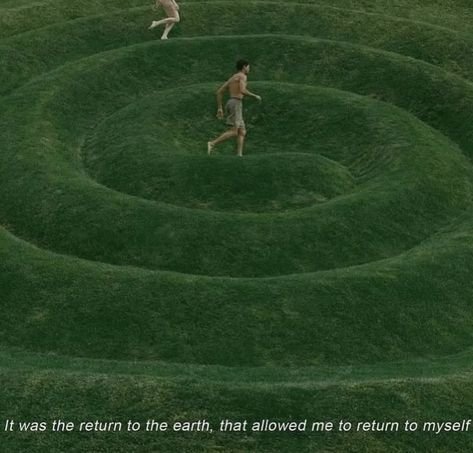
You may know that although I was born in Switzerland to a family that clings to its Italian heritage. Happenstance meant that I grew up in the Canary Islands - specifically Lanzarote. If you can avoid images of mass tourism instantly flooding your mind, then see if you can instead imagine a sparsely populated fishing village on a volcanic desert island surrounded by a cerulean blue sea with the occasional palm tree standing tall as it defies the wind.
I spent much of my younger years lamenting this uprooting and never felt myself truly belonging on that island. It wasn’t until a statue appeared on a roundabout in honour of the writer Jose Saramago (a Portuguese transplant to the island), the inscription of which read: ‘Lanzarote no es mi tierra pero es tierra mia’ that my relationship with my own migration began to change. The literal translation of this quote leaves much to be desired, but in essence Saramago said that although Lanzarote wasn’t his homeland, the land (or rather, its earth) had become a part of him. I very much resonated with his sentiment. Aside from my inherited DNA nothing has shaped me quite the way that growing up on that island did.
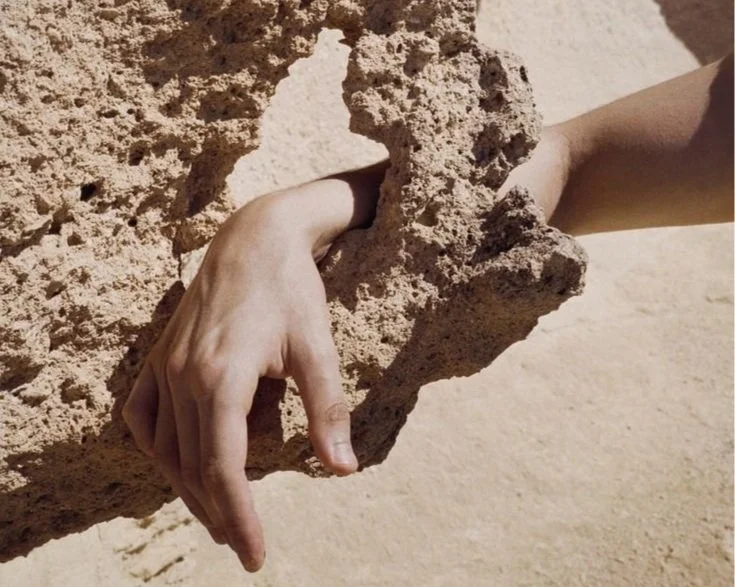
For all of us the first environment we encounter is our own body. It’s the medium through which we experience the world and in turn, our surroundings shape our body’s physicality, as well as our relationship with it. This led me to think less of the body as a self-contained object, and more as a porous, inter-connected organism that forms part of a larger ecological web.
Often without us even noticing, our body responds to its environment - our movement, posture, pupils, breath and blood pressure all shift in response to the land we’re on, the weather, the time of day or the season. What we feel in ourselves is often a response to what’s happening around us; a fundamental truth that Ayurveda (yoga’s sister science) was built around many centuries ago.
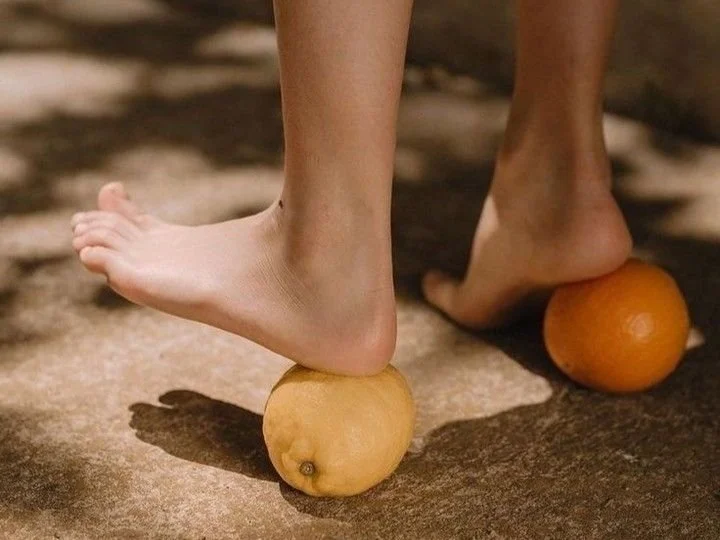
Recently I’ve been giving this dialogue between our body and its environment more thought, and exploring how we can foster a more conscious relationship between the two as we move through life. This led me to eco-somatics; an emerging interdisciplinary field that blends embodiment with ecological awareness. Drawing on somatic practices (working within embodiment and the felt-sense), and applying that awareness not just inwardly, but outwardly - to how we move with, respond to, and are shaped by the ecosystems that surround us. It invites the idea that our bodies are not separate from the Earth, but expressions of it; made of the same elements, rhythms, and intelligences.
As the writer and philosopher Alan Watts once wrote: ‘You didn’t come into this world. You came out of it, like a wave from the ocean. You are not a stranger here.’ Eco-somatics helps us reclaim this sense of belonging; to our bodies, to the Earth, and to each other. It’s an antidote to the disconnection, numbness, and extraction that define much of modern life. By reminding us that we are not just visitors here, eco-somatics expands our sense of Self.
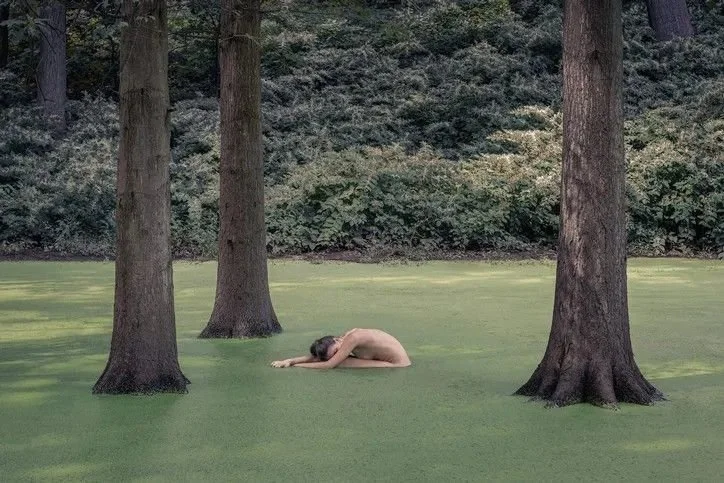
Last year I had the pleasure of hosting a retreat in a remarkable part of Cornwall and I’ll be fortunate enough to return there later this year, bringing with me the knowledge gathered last year. Being more familiar with the continuously shifting landscape of Erth peninsula I’ve planned practices rooted in eco-somatics that will directly respond to and engage with the terrain, the elements and the season so that we might experience our own ecology in relation to this unique landscape. I hope you’ll join me.
With love,
OM x

Monthly Mantra
“Walk as if you are kissing the Earth with your feet”
Thich Nhat Hanh
May Playlist
Another lo-fi accompaniment best enjoyed while letting the sun warm your skin
Featured Flow
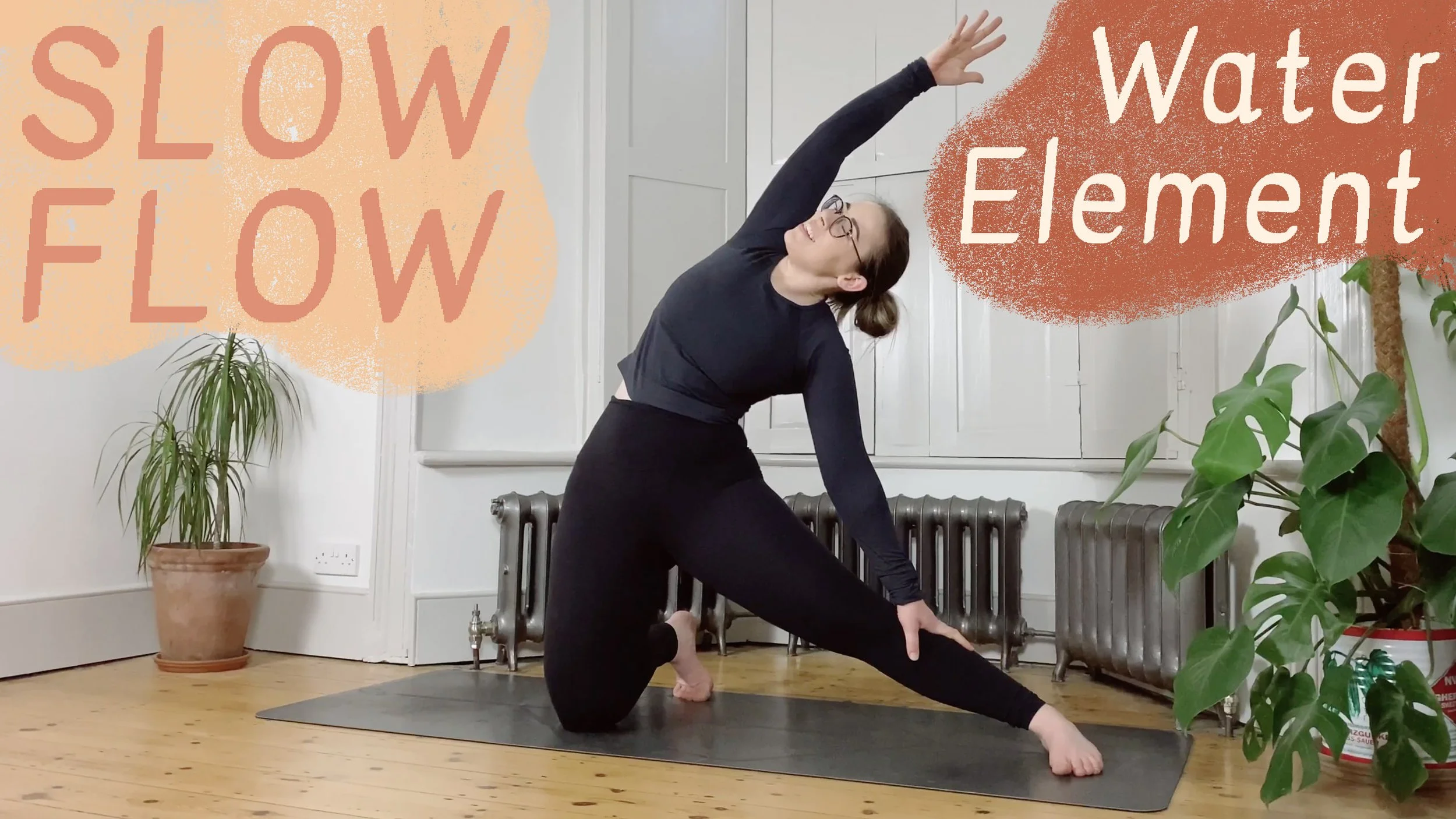
Embody the qualities of water as you move through this hip opening slow flow sequence on my YouTube channel

Thank you for reading - if you have any questions please feel free to reach out via email.
Copyright © 2025
Oceana Mariani