April 2026 | In Absentia
NOTE:This was originally published as part of my newsletter in April 2026. Subscribe to my newsletter to receive the next Om Letter direct to your inbox once a month.
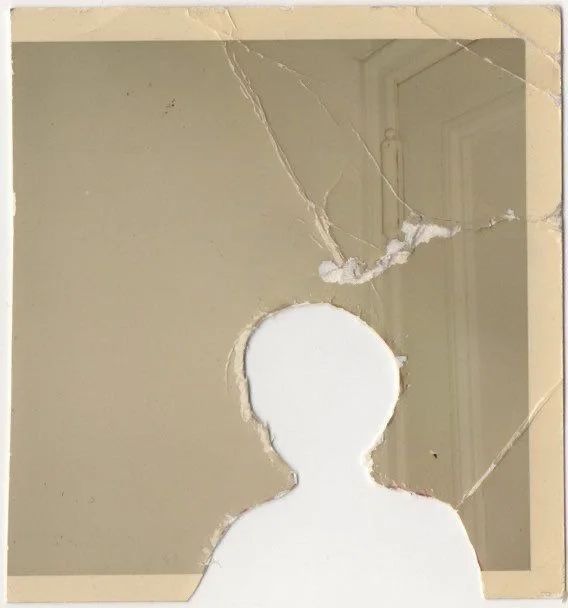
Last week I went to see Pina Bausch’s ‘Kontakthof’ at Sadler’s Wells, reinterpreted by one of its original dancers Meryl Tankard. This new version (Echoes of ’78) showed the original dancers layered in amongst projections of their younger selves performing the same piece almost five decades earlier. Rather than filling the void of those who could not be there to perform their roles, the empty spaces they left behind formed a presence within themselves.
There was something so revealing about what couldn’t be seen in this new piece, that it made me think of what we refer to as ‘negative space’ in the creative world. This space isn’t simply an absence. It has a shape and contour to it. It outlines something that still remains even if it isn’t directly perceived.
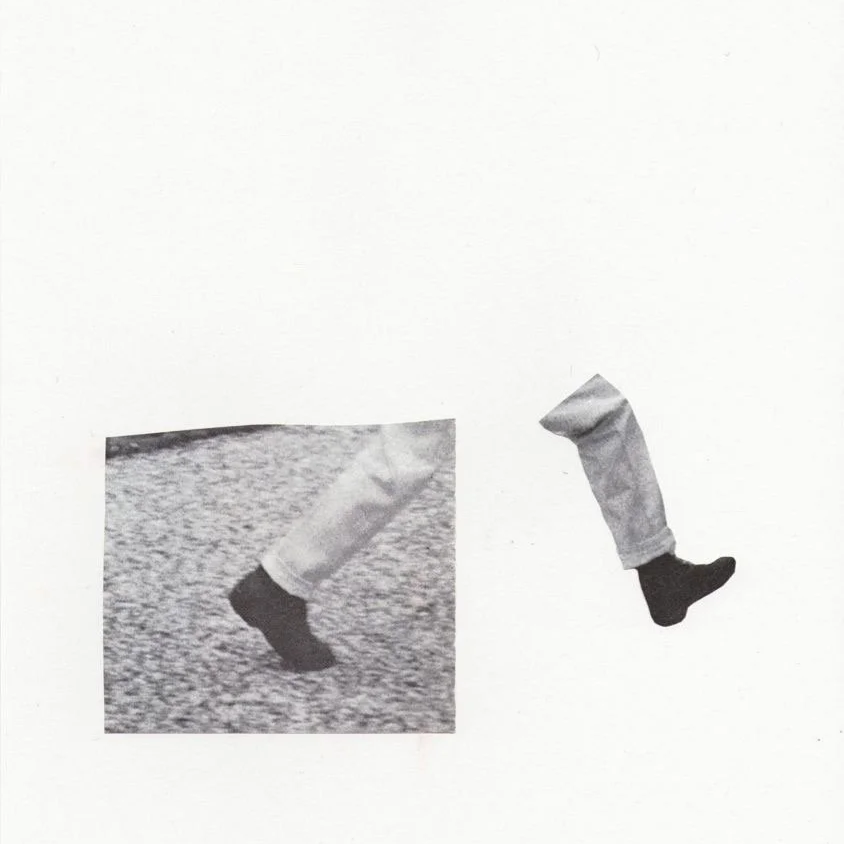
Within our physical practice, these spaces might show up as blind spots. Areas where we don’t sense as clearly as we do elsewhere, patterns we repeat without question, or responses that seem strangely disproportionate. It can be tempting to treat them as problems to fix or gaps to fill, but they also carry information. They point to where attention has not yet settled, where experience has not yet been fully met, where something remains just outside our field of recognition.
These blank spaces are rarely empty. They are often held in place by something: a protection, a habit, or an adaptation. In that sense, a blind spot can be seen as less of a failure in our awareness, and more so as a form of self-organisation. Something that’s been structured in a particular way, and that structure has, at some point, been necessary.
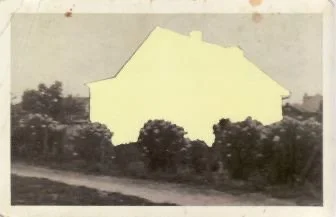
To turn toward these areas requires a very specific kind of attention and care. We cannot force ourselves to become clear in what we feel, so instead we have to be willing to settle into this partial information. To become slower in our listening. To be willing to notice the edges rather than the centre. In doing so, something may then gradually and subtly begin to shift.
This unfamiliar territory within us becomes less fixed, less defended. What was once outside our awareness begins to register - not all at once, but in fragments, impressions and sensations that gradually reveal themselves. As if we were a child quietly filling in the outline of a colouring book with our crayons.
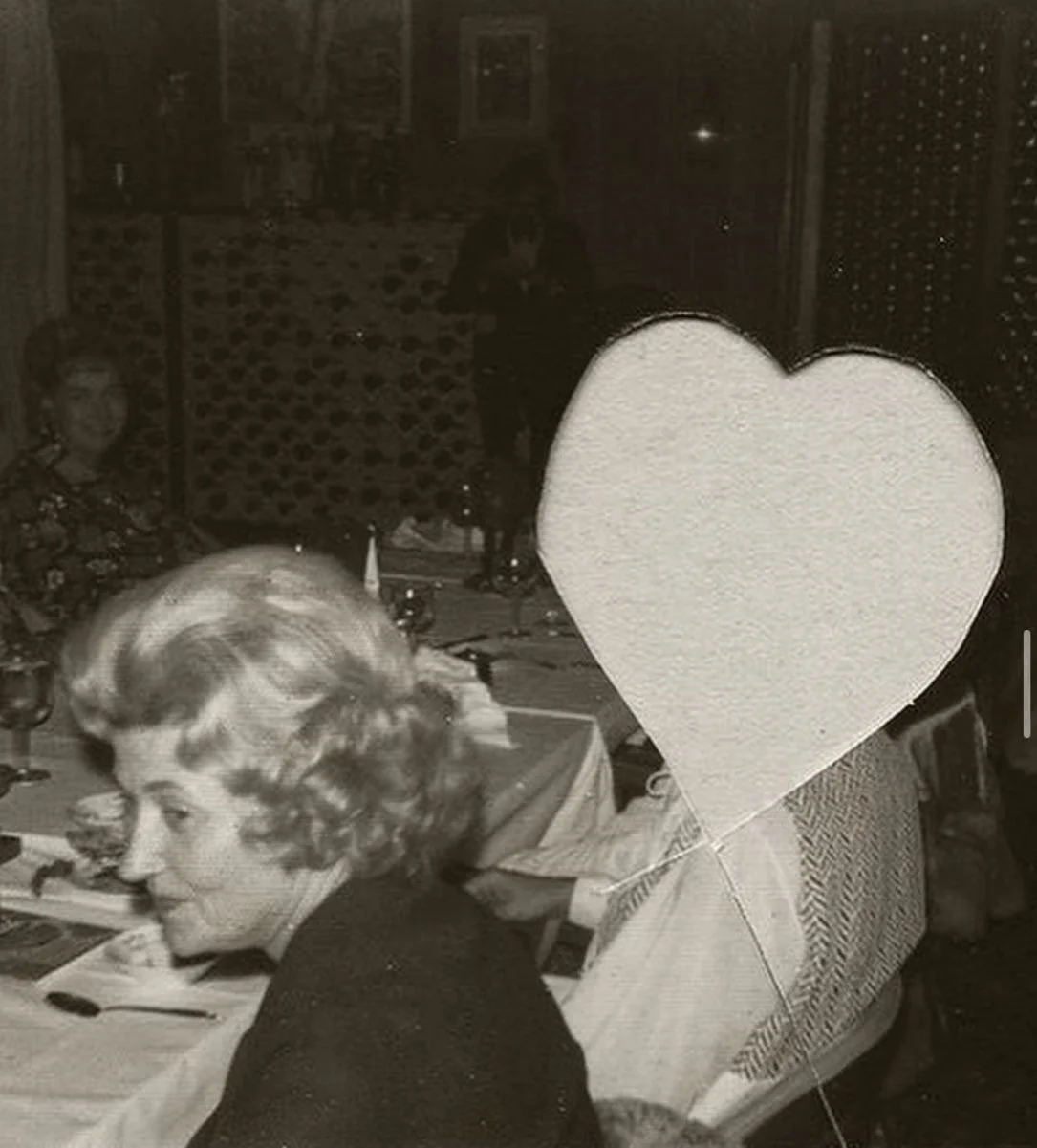
Blind spots aren’t merely obscuring something, they equally reveal what we might be avoiding. When we begin to explore these parts of ourselves a kind of unravelling and questioning tends to take place. Not just the thought of what is missing? But also: what remains, quietly shaping the way we see, feel, and respond?
With love,
OM x

Monthly Mantra
“We find beauty not in the thing itself but in the patterns of shadows, the light and the darkness, that one thing against another creates”
Jun'ichirō Tanizaki in ‘In Praise of Shadows’
April Playlist

Rather than one of my own playlists I offer you the often unexpected sound of Pina’s work.

Thank you for reading - if you have any questions please feel free to reach out via email.
Copyright © 2026
Oceana Mariani