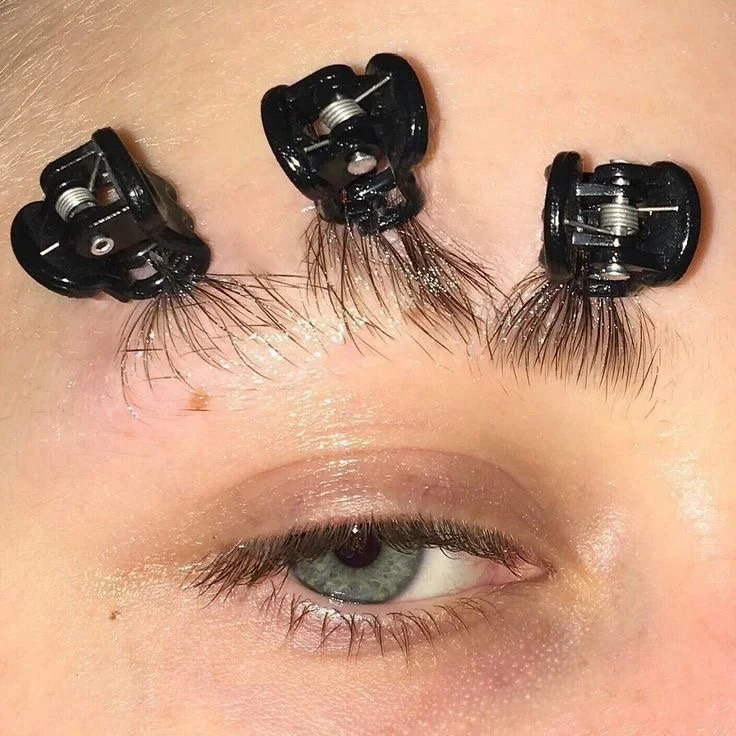
Over the years of being a student and practitioner within the wider ‘wellness industry’ I’ve developed almost an allergic reaction to certain phrases. I quietly wince, and my right eye narrows slightly when I hear them. “Just listen to your body” is one of those phrases.
Which body am I listening to? The body that was told to fear? To be polite? To be disciplined? To feel ashamed? The body that spent years being rewarded for being small, quiet, agreeable, productive, or useful to others?
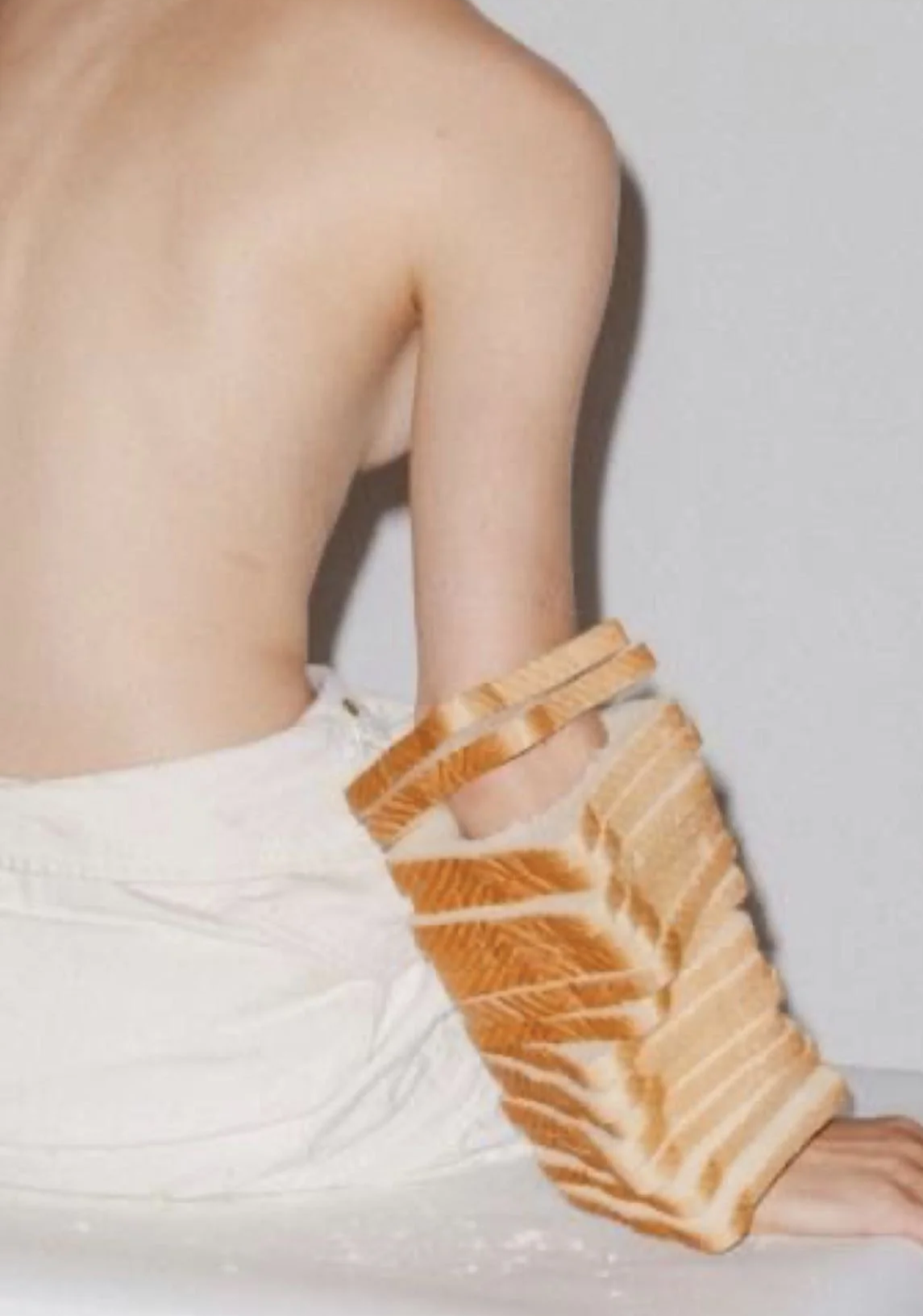
At times listening to the body is offered up as if the body were some kind of oracle. A pure and trustworthy source of truth; untouched by the stories and conditioning of the mind. But the body has been listening all along. It knows our history, and it too has been imposed on. It remembers what was worthy of praise, and what was punishable. It learns what keeps us safe, and what gets approval from others. It knows how to brace, when to shrink, when to perform, and how to disappear. Our body has habits before it has opinions and feelings.
Consider for example, how you enter a crowded room. You know intuitively how much space you’re ‘allowed’ to take up. You might move to the edge of the space, and imperceptibly raise your shoulders. You might apologise when someone bumps into you, or draw in your stomach without being aware of it. None of these are necessarily conscious decisions, but they are still forms of embodied knowledge. Embodiment doesn’t directly correlate to authenticity, just as much as being physical doesn’t necessarily make something more true.

Sometimes the body signals no because something is wrong, at other times because something is unfamiliar. Those two sensations can feel remarkably similar. We might resist speaking up in a relationship because something about the situation isn't right, or because we've spent our whole life learning that being agreeable is safe. We might prefer to go unnoticed, but is that an authentic preference, or simply an old strategy?
This doesn’t mean we should distrust the body - quite the opposite - it means we need to bring more curiosity to our approach. Instead of “just listening to our body,” perhaps we can also ask: who taught my body to respond in this way? How old is this response? Does this still protect me? What happens if I don’t obey this impulse immediately? And most importantly: is this sensation asking me to respect a boundary, or is it asking me to remain inside one?

Yoga and somatic practices can, at times, reinforce the idea that sensation is inherently meaningful. We are encouraged to notice what feels good, what feels bad, what is open, what is contracted. All of this is useful, but sensation is not instruction. A sensation can be informative without telling us what to do.
That distinction matters as our bodies can reproduce clichés just as efficiently as language can. We can embody ideas about gender, sexuality, attractiveness, strength, age, worth, productivity, and belonging without ever consciously agreeing to them. We can become extraordinarily skilled at inhabiting a body that has been trained to meet other people's expectations. What feels ‘natural’ is, at times, simply what we've practised for a very long time.

Yoga and somatic practices aren’t necessarily asking us to obey the body, but they give us an opportunity to study our responses. We might observe the impulse to push, to retreat, the urge to compare, or the desire to perform. We can notice what happens when we're told we don't have to go further, when we’re encouraged to stay, or to leave. Over time, we can develop something that is more nuanced than obedience to sensation. We develop discernment.
Embodiment then isn’t about finally arriving at this one true voice of the body, but about becoming intimate enough with our patterns so that we can tell the difference between boundary and habit, between intuition and conditioning, between protection and possibility.
With love,
OM x

Monthly Mantra
“It is a serious thing.
just to be alive
on this fresh morning
in the broken world.”
an extract from Invitation by Mary Oliver
(I’d encourage you to also read the Marginalia via the link above)

Thank you for reading - if you have any questions please feel free to reach out via email.
Copyright © 2026
Oceana Mariani